Small Business Website Design UK (2026): The Three Ways to Get One, and What Each Costs

By Nick Croce
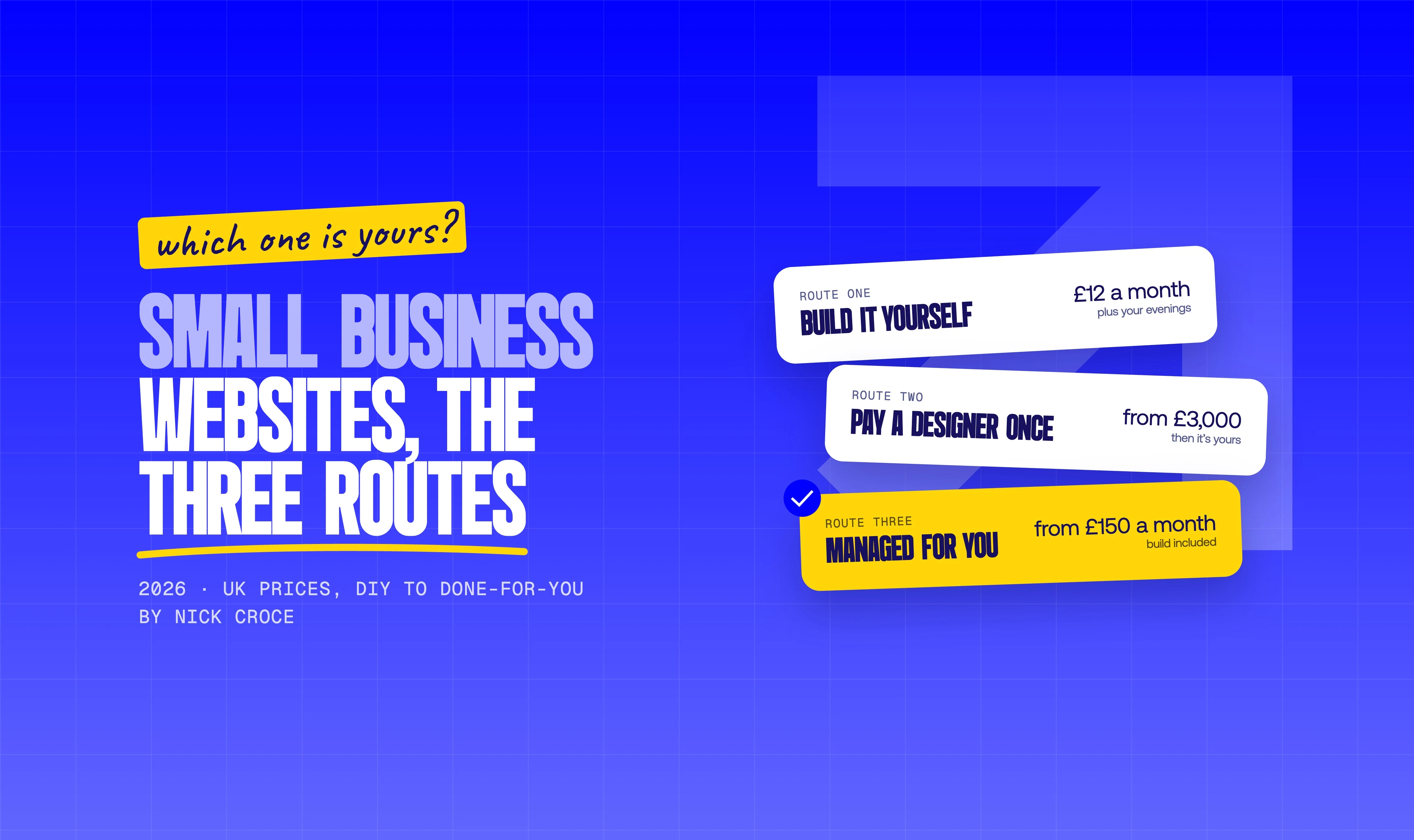
Every small business website in the UK gets bought one of three ways. You build it yourself on a platform like Squarespace. You pay a designer once to build it and then it’s yours. Or you pay someone a monthly fee and they build it and run it. That’s the whole market, and almost every confusing quote, every “from £299” and every £5,000 proposal is one of those three wearing a different hat.
I sell two of the three, so read this knowing that. But I’ve also watched a lot of owners pick the wrong route for the business they actually have, and that costs more than any of the prices below. Here’s what each one costs in 2026, what it asks of you, and how to pick in five minutes. Figures were checked on 30 October 2026.
The three ways to get a small business website
| Route | Upfront | Ongoing | Your time | Best for |
|---|---|---|---|---|
| Build it yourself | £0 | £12 to £29 a month (Squarespace, paid annually) plus a domain | Evenings and weekends, then an hour a month | Sole traders, side businesses, anyone who likes the tinkering |
| One-off build by a designer | £1,500 to £5,000 for most UK small business sites; my builds from £3,000 | Hosting and plan, plus whatever you pay for changes | A few hours of input, then it’s yours to run | Businesses with someone who’ll look after it |
| Pay monthly, managed | £0 build fee | £29.99 to £59 at the cheap end; mine from £150, billed yearly | Almost none | Owners who never want to log in |
The upfront column is what people look at. The “your time” column is the one that decides whether you’ll be happy in a year.

Route one: build it yourself
In 2026 Squarespace’s UK plans run from £12 a month (Basic) to £17 (Core) and £29 (Plus) when you pay annually, and Core is the one most small businesses want because it allows custom code. Add about £20 a year for a domain. The templates are good, the editor is the easiest of the big platforms, and a one-page site for a café, a consultant or a dog groomer is a weekend’s work. The full breakdown is in my Squarespace cost guide, and if you’re choosing between platforms, Squarespace vs Wix and Squarespace vs WordPress cover the honest differences.
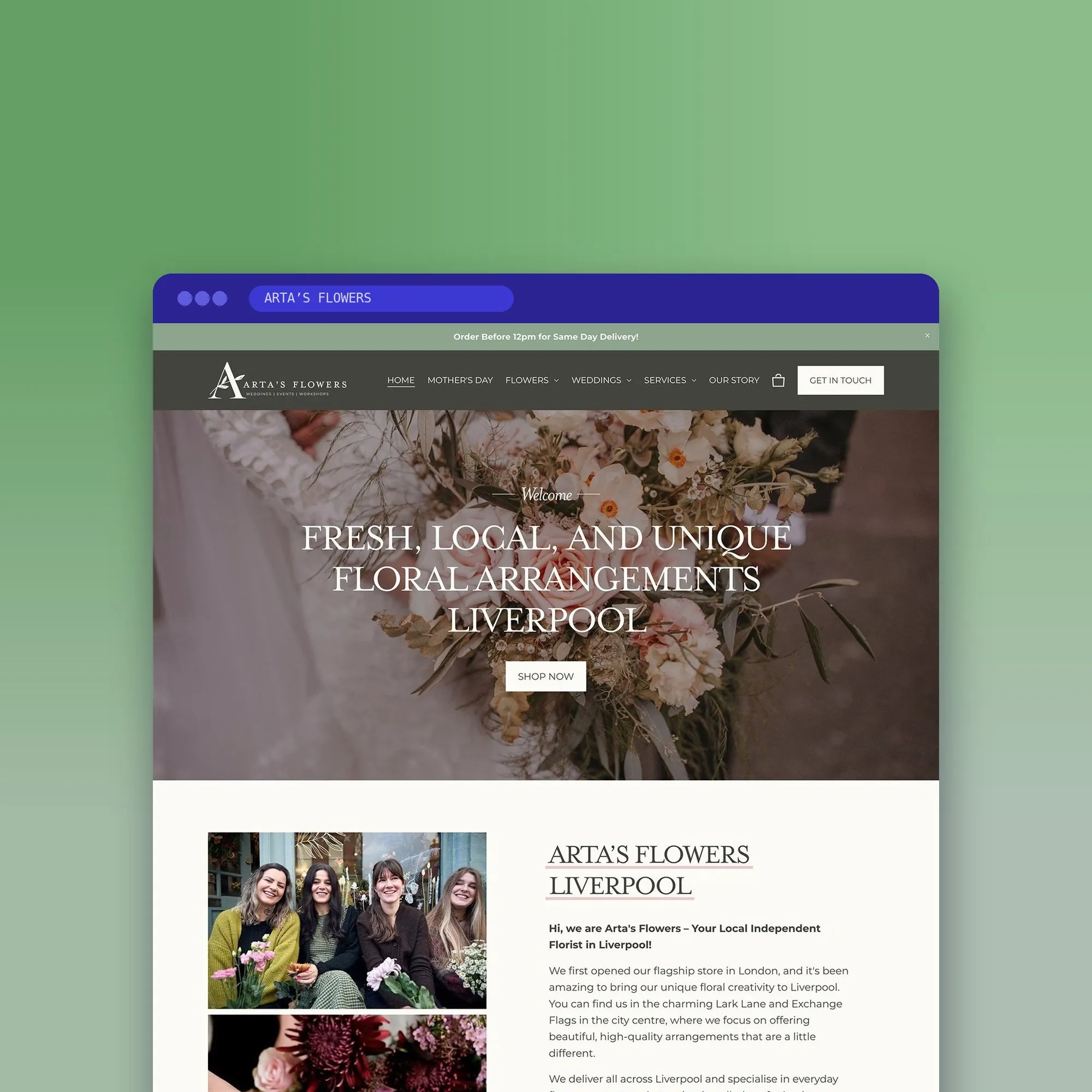
The cost isn’t the plan. It’s the evenings, and it’s the fact that a DIY site usually looks like one: the stock photo, the eleven fonts, the hero image that’s a bit blurry on a phone. That’s fine for a lot of businesses. Arta’s Flowers and Ellen Keith Consulting both started with a site the owner built and came to me when the business outgrew it, which is exactly the right order to do things in.
Pick this route if money is tight, if you enjoy it, or if nobody is going to search for you anyway and the site is a business card. Don’t pick it because it looks free. Thirty hours of a business owner’s time is not free.
Route two: pay a designer once
The most common UK bracket for a professionally built small business site is £1,500 to £5,000, which is where my own one-off prices start. Under £1,000 usually means a template with your logo on it and an afternoon of work. Over £5,000 is for shops, custom functionality or a lot of pages. Agencies in London quote £8,000 to £20,000 for the same brief a freelancer does for a third of that, which is the subject of my designer vs agency post.
My own one-off builds are priced in three sizes: a Standard build from £3,000 for up to four pages, a Custom build from £5,000 for up to eight pages with custom code, and an Advanced build from £8,500 with no limit on either. Branding is from £950 on top if you don’t have one, copywriting from £550 if there are no words yet, and a shop is at least £1,000 extra. Everything is on the pricing page with an estimator, and the figure is fixed in writing before anything starts.
What you’re buying is a site that is yours. The design, the content, the Squarespace account: all in your name, and any designer can take it over later. What you’re also buying is responsibility. Somebody has to update the opening hours at Christmas, swap the photos, fix the thing that stopped working after a platform update. If that somebody is you or a member of staff who’s happy to, this is the best value route there is.
Route three: pay monthly and have it run for you
This is the route that’s grown fastest, and it covers two very different products that happen to share a price format. At the cheap end, £29.99 to £59 a month buys a templated site built once and hosted, usually on a twelve-month minimum, and on most of those plans you don’t own the site: stop paying and it’s gone. At the other end, a managed plan buys a proper custom build plus a designer who keeps working on it every month. I’ve written up the catches to check on any pay monthly website before you sign anything, including with me.
My version is the Managed-For-You plan: from £150 a month, billed annually in advance with a one-year minimum, so £1,800 for the first year. The site is custom-coded and custom designed, the build is included so there’s no fee on day one, and hosting, the domain and security are mine to worry about. Then every month: updates, fixes, performance checks, and changes on request. New prices, a new service, new photos, a new page for a new town, you message me and it’s done. It doesn’t do online shops, and it isn’t for businesses that want to own the files and run them in-house, which is what route two is for.
It costs more than the cheap end because it is a different product. The honest comparison is not with a £39 template, it’s with a £3,000 build plus the cost of keeping it current, and on that comparison it usually works out level over two years with a great deal less of your time in it.

What every small business website needs, whichever route you take
- Who you are, what you do and where, in the first line. “Independent florist in Liverpool, same-day delivery across L1 to L25.” Not “Welcome”.
- One obvious thing to do next. Book, call, order, get a quote. One button, repeated, not six.
- Your own photos. Of the shop, the team, the work. Stock images are the fastest way to look like a franchise.
- Reviews where people can see them. Google reviews on the homepage with names, not a “testimonials” page nobody visits.
- A page per service, if you want to be found for it. Google ranks pages, not businesses.
- Fast on a phone. Most of your visitors are on one. Compressed images, no autoplay video, nothing that needs a cookie banner to work.
- The basics done once, properly. Page titles, image alt text, redirects from the old site, a Google Business Profile that matches. Every build I do includes these, and the most common Squarespace SEO mistakes post shows what happens when they’re skipped.
How to decide in five minutes
- Will anyone search for a business like yours? If no, build it yourself and spend the money on something else.
- Is there a person in the business who will happily spend an hour a month on the website? If yes, a one-off build is the best value. If that person is you and you already know you won’t, it isn’t.
- Can you pay £1,500 to £5,000 now? If not, a monthly plan is the only route to a professional site this year. Just read the contract.
- Do you sell products online? Then it’s a one-off build with a shop, from any designer, including me. Managed plans don’t cover shops.
- Is the website how you get customers, rather than where they check you out? Then pay for it to be good, and pay for it to stay good. That’s the only rule that matters.
Questions people ask
How much does a small business website cost in the UK?
In 2026: £12 to £29 a month to build it yourself on Squarespace, £1,500 to £5,000 for most professionally built small business sites (mine start from £3,000), or £29.99 to £150 a month on a pay monthly plan depending on whether it’s a template or a managed, custom build. Shops and large sites go above £5,000.
Is it better to build my own website or hire a designer?
Build your own if money is tight, you enjoy it, or the site is a business card rather than a way of getting customers. Hire a designer when people will search for you, when you’re embarrassed by the current site, or when thirty hours of your time is worth more than the fee. Most of my clients did the first and then the second, in that order.
What is the cheapest way to get a professional website?
A one-page Squarespace site you build yourself is the cheapest. The cheapest professional route is a pay monthly plan, because there’s no upfront fee, but check whether you own the site and what the minimum term is. A £39 a month site you don’t own costs more than a £3,000 site you do if you’re still paying for it in year four.
Do I need a web designer for Squarespace?
No, and that’s the point of it. You need one when you want the site to look designed rather than assembled, when you need custom code or a complicated shop, or when you’ve tried and the result isn’t something you’d put on a van. How to choose a Squarespace designer covers what to ask.
How long does a small business website take to build?
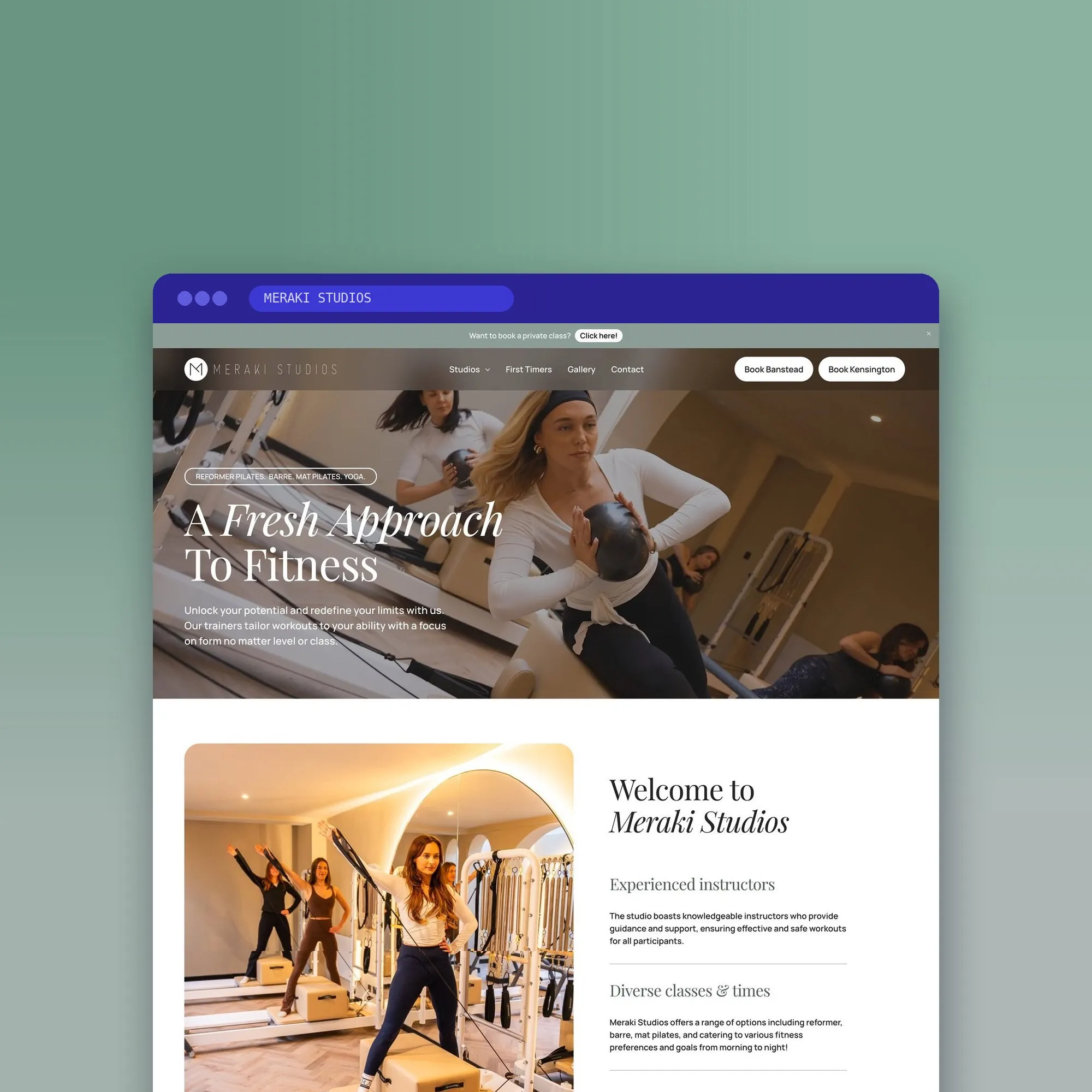
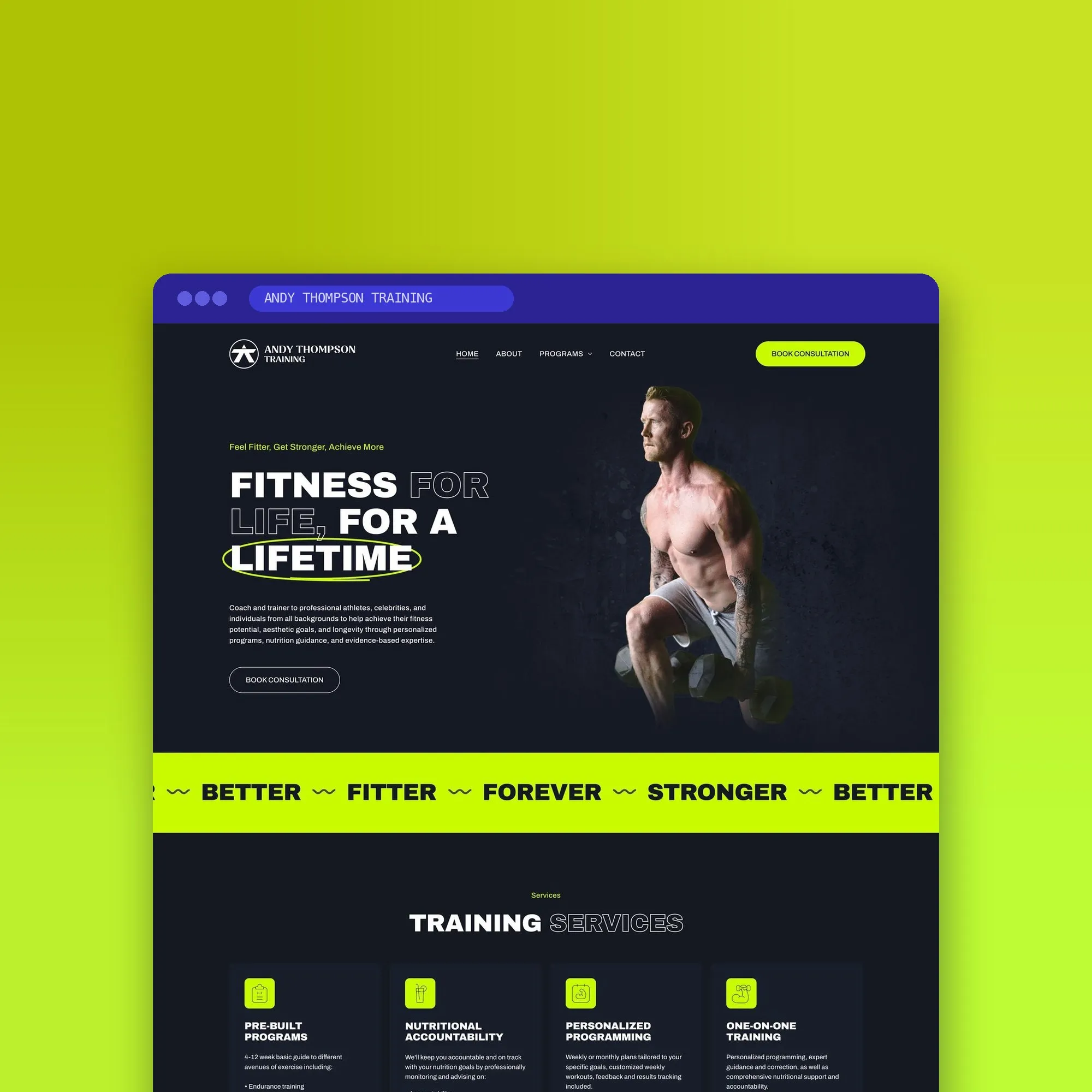
Two to six weeks is typical for a professional build once the content exists. The three sites above took two, four and six weeks. The thing that delays most projects is not the design, it’s the client finding the photos and writing the words, which is why copywriting is an add-on I offer.